The Nairobi-Nakuru Highway isn't just a commute; for too long, it's been a gamble with lives on the line. On June 5, 2018, the World Bank stepped in with a bold move to change that reality. They announced a major infrastructure initiative designed to address the safety crisis on this specific stretch of tarmac through private sector investment. The Nairobi-Nakuru Highway, officially designated as A104, has earned a grim reputation as one of the deadliest roads on earth. This new push involves public-private partnerships (PPPs) and a toll-based revenue model that aims to make private investment viable while saving lives.
The Human Cost of the A104
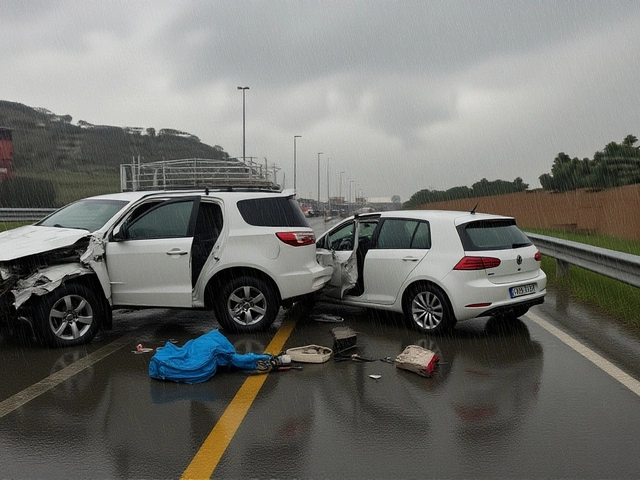
To understand the urgency, you have to look at the people who drive this road daily. Dennis Ashiono, a 41-year-old matatu driver, had worked for Nairobi Western Classic Shuttles for five years plying the route. He had witnessed enough accidents to document the road's dangerous reputation himself. The situation wasn't just a slow burn; it was a crisis. From December 2017 to January 2018, the road registered a dramatic upsurge in fatal accidents. That specific two-month window directly motivated the infrastructure PPP initiative. It's one thing to talk about safety statistics, but another when you're the driver staring down the barrel of a crash.
The government and international bodies realized that traditional funding wasn't enough. They needed a way to bring in long-term capital without breaking the national budget immediately. That's where the Kenya Infrastructure Finance Public Partnership ProjectNairobi announcement came in. The World Bank's approach involved providing technical assistance to build frameworks for these partnerships. Shyamala Shukla, a World Bank senior PPPs specialist, noted that the goal was to create methodologies for project preparation and procurement. It's about building the rules of the game so investors feel safe enough to play.
How the Financing Model Works
Here's the thing about infrastructure projects: they need money, and they need it for a long time. Caroline Cerruti, a World Bank senior finance sector specialist, advocated for crowdsourcing long-term finance through PPP arrangements. She explained the financial model clearly during the announcement. PPP projects need to be "bankable," meaning they have a stream of long-term and secured revenues to back up the private investment. Without that security, no one puts their money on the line.
The model retained by the Government of Kenya involves users paying a fee for using the road. This makes private investment viable. The government will also backstop revenues in case they are insufficient, ensuring the country maintains a strong fiscal position to provide comfort to investors. This toll-based financing structure was designed to enable private investors and financiers to recover their investments. It creates a safety net: if traffic doesn't pay enough, the government steps in. That fiscal capacity is crucial for keeping the project alive.
Public Pushback and Pension Opportunities
Despite the logic, there's a significant challenge. Public opposition to the proposed toll structure on the new road is real. People are naturally hesitant to pay extra for a service they used to get for free. This toll would directly fund repayment to private investors and financiers. However, the initiative proceeded based on the long-term nature of infrastructure investment. It aligns with pension schemes' investment horizons, which is an interesting twist.
An individual named Mutuku noted that infrastructure investment's long-term profile "dovetails with pension schemes, which are long-term investors." This could mean higher returns for schemes, and by extension, scheme members. Institutional investors could benefit from participation in the project. It turns a safety issue into a financial opportunity for workers' retirement funds. The trade-off is clear: higher tolls now for safer roads and potentially better pension returns later.
What Lies Ahead for Drivers
The details are still being ironed out, but the path is set. The project aims to build PPP frameworks and secure long-term financing. It requires the government to maintain sufficient fiscal capacity to guarantee revenues. If user fees prove insufficient, the state must pay the difference. This puts pressure on the national budget but promises a safer A104. For drivers like Ashiono, the hope is that the tolls buy them a road where they can actually get home to their families. The World Bank's involvement signals that this isn't just a local problem, but a global development priority.
Frequently Asked Questions
Why is the Nairobi-Nakuru Highway considered so dangerous?
The A104 has been designated as one of the deadliest roads on earth due to a high frequency of fatal accidents. Between December 2017 and January 2018 alone, there was a dramatic upsurge in fatalities, prompting urgent safety interventions.
How will the toll-based financing work?
Users will pay a fee to use the road, generating revenue for private investors. The government has agreed to backstop these revenues, meaning they will cover costs if user fees are insufficient, ensuring investors can recover their money.
What role do pension schemes play in this project?
Infrastructure investment matches the long-term horizon of pension funds. By participating, these schemes could earn higher returns, which would ultimately benefit the scheme members who rely on those funds for retirement.
Is there public opposition to the tolls?
Yes, there is significant public opposition to the proposed toll structure. Citizens are concerned about the additional cost of travel, though proponents argue the long-term safety benefits and investment returns justify the expense.